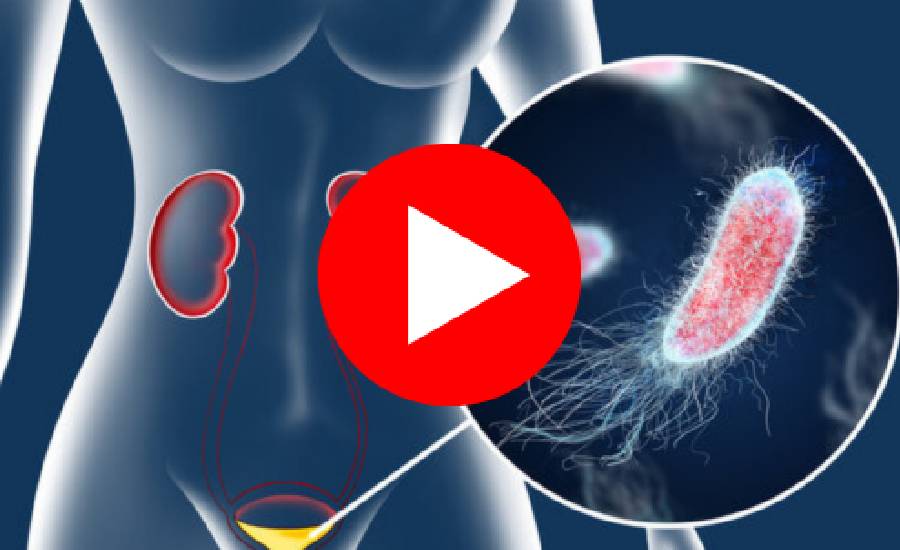
Bladder infections, medically known as cystitis, are among the most common urinary tract infections affecting millions of people annually, particularly women who experience them far more frequently than men due to anatomical differences that make bacterial ascension to the bladder easier. These infections develop when bacteria, most commonly E. coli from the digestive system, enter the urethra and multiply in the bladder, causing uncomfortable symptoms that range from mild irritation to severe pain. While bladder infections are typically not life-threatening and respond well to treatment, recurrent infections can become frustrating and disruptive, and untreated infections can progress to more serious kidney infections requiring hospitalization. Understanding bladder infections—what causes them, how to recognize symptoms, prevention strategies, and treatment options—empowers you to take control of your urinary health and reduce your infection risk significantly.
Bladder infections typically develop when bacteria bypass your urinary system's natural defenses and establish infection in the bladder. The most common culprit is E. coli bacteria from your digestive tract that normally lives harmlessly in your intestines but causes infection when it reaches your bladder. Women experience bladder infections more frequently because their urethra is shorter, allowing bacteria easier access to the bladder, and the urethral opening is closer to the anus where E. coli bacteria reside. Sexual activity can introduce bacteria into the urethra, which is why bladder infections sometimes occur after intercourse in a condition called "honeymoon cystitis." Other risk factors include pregnancy, which changes urinary tract anatomy and increases susceptibility, urinary catheters that provide a pathway for bacterial entry, incomplete bladder emptying allowing bacteria to multiply in residual urine, diabetes which increases glucose in urine providing bacteria a food source, and menopause-related hormonal changes that alter urinary tract tissue health. Understanding your personal risk factors helps you implement targeted prevention strategies reducing your infection likelihood.
Symptoms of bladder infection typically appear suddenly and include painful, burning urination, frequent urge to urinate often with only small amounts of urine released, cloudy or dark urine sometimes with visible blood, lower abdominal pain or pressure, and occasionally low-grade fever. Some people experience no symptoms despite harboring infection—a condition called asymptomatic bacteriuria—which requires treatment during pregnancy to prevent complications but often doesn't require treatment in non-pregnant individuals. Symptom severity varies from mild discomfort barely noticeable to severe pain making urination extremely difficult. The intense urge to urinate frequently can disrupt sleep, work, and daily activities significantly impacting quality of life. If you experience symptoms suggesting bladder infection, contact your healthcare provider promptly for evaluation rather than assuming symptoms will resolve independently or self-treating inappropriately.
Diagnosis of bladder infection involves urinalysis—examination of your urine under a microscope—which typically reveals white blood cells and bacteria indicating infection. Your urine may also show nitrites and leukocyte esterase, chemicals produced by bacteria indicating bacterial infection. Urine culture, where urine is grown in laboratory media to identify the specific bacteria and test antibiotic sensitivity, confirms diagnosis and determines which antibiotics will be most effective against your specific infection. Your healthcare provider may ask about your symptoms, medical history, and any previous bladder infections to assess infection severity and your recurrence risk. In most cases, these simple urine tests provide sufficient information for diagnosis and treatment initiation without requiring additional testing. Most bladder infections are easily treated with antibiotics prescribed by healthcare providers, typically resolving within days of starting medication, though symptoms often improve within hours as you begin treatment. Commonly prescribed antibiotics include trimethoprim-sulfamethoxazole, fluoroquinolones like ciprofloxacin, cephalexin, nitrofurantoin, and amoxicillin, with choice depending on local resistance patterns and your individual factors.
Your doctor will prescribe the most appropriate antibiotic based on your specific situation, considering factors like allergy history, other medications you take, and whether you're pregnant or breastfeeding. Completing your full antibiotic course even after symptoms resolve is critical—stopping early allows surviving bacteria to regrow and can lead to treatment failure and recurrence. Over-the-counter pain relievers can help manage discomfort while antibiotics work, and increasing fluid intake helps dilute urine and reduce irritation. Natural remedies like cranberry products, D-mannose supplements, and increased hydration may provide symptom relief and help prevent future infections when combined with appropriate medical treatment remedies is mixed and they shouldn't replace medical treatment when infection occurs.